

'Careless People' is a Model MWAM [Memoir With A Mission]
Sarah Wynn-Williams proves that story, structure, and voice can turbocharge political, business, and policy messaging

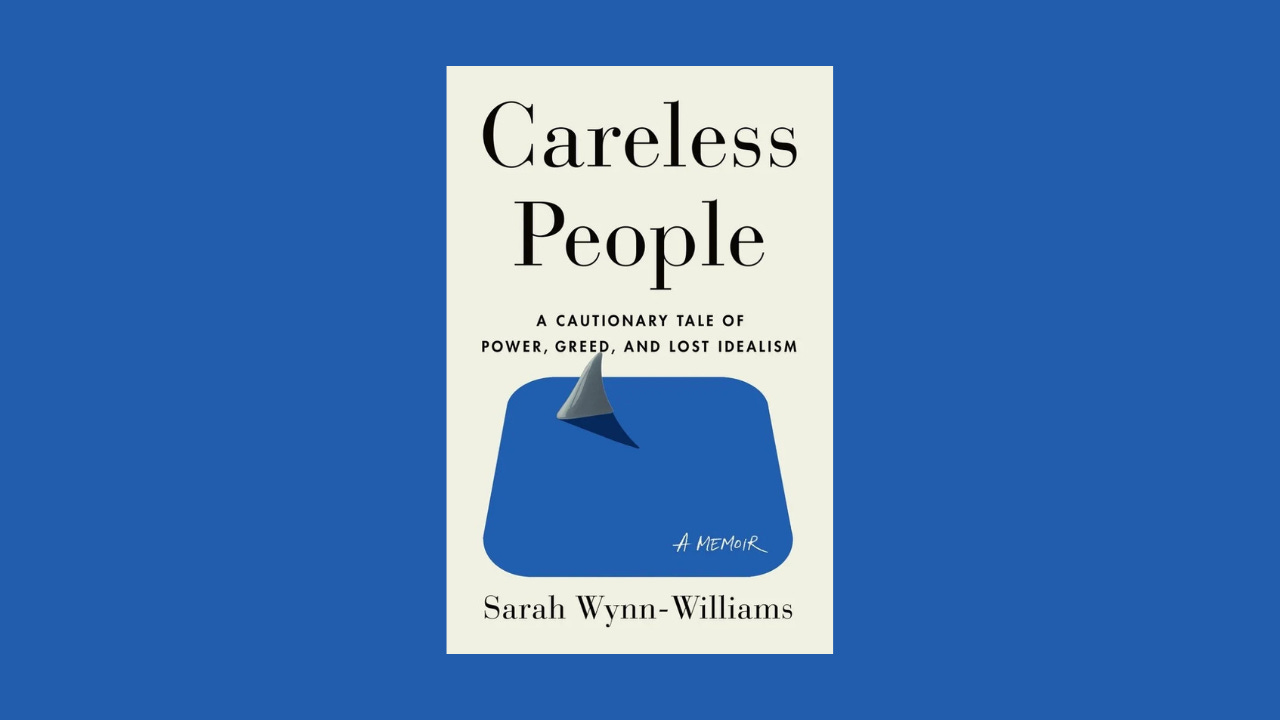
“They smashed up things and creatures and then retreated back into their money or their vast carelessness, or whatever it was that kept them together, and let other people clean up the mess they had made.” ― F. Scott Fitzgerald, The Great Gatsby
Hello Loreates,
The careless cruelty continues. As the ICE murder rate keeps climbing, with targets now including unarmed citizens in addition to law-abiding immigrants, it becomes ever clearer that the current DC regime intends to turn America into a police state. How did we get here, and how can we possibly beat back this monstrosity? As always, books hold many of the answers to these and other critical questions of the moment.
One book in particular has recently galvanized me. Careless People, by Facebook’s former director of public policy, traces one of the most powerful vectors that led to the Trump takeover of America. More importantly, it traces the moral disintegration of leadership among the billionaires who converted the tech industry into one unstoppable propaganda machine.
For that, Sarah Wynn-Williams has been silenced. She gave just one interview about the book before her former employer, Meta, won a temporary injunction against her. Because she had signed a non-disparagement clause, Wynn-Williams was ordered to stop promoting her memoir. But you can still buy and read it.
Everybody should read it. The revelations it contains are that important. They’re not the reason I decided to devote this post to Careless People, though. No, I want to unpack the craft of this book for you because it’s an absolutely stellar example of a particular type of memoir that I’ll call Memoir With A Message, or MWAM.
MWAM is its own genre of narrative nonfiction, distinct from family memoirs or trauma memoirs or most celebrity, travel, or business memoirs. At its core, MWAM is less about the author’s personal story than it is about ideas, policies, beliefs, scientific or political or academic lessons learned.
Although I’ve just coined the term for this post, I’ve been writing and ghostwriting MWAM throughout my career. My very first Substack post was about one of these titles:

Other examples of MWAM include books like Rebecca Claren’s The Cost of Free Land, The Punishment of Virtue by Sarah Chayes, and the notorious memoirs of Greg Mortenson, which helped raise millions of dollars for his supposed schools in Central Asia— until Mortenson was accused of falsifying his story and diverting funds.
I include Mortenson only as evidence of the power of this genre. When a personal story awakens readers to an urgent message, mission, or cause, the impact can radically change opinion, policy—and the flow of funding. MWAM’s subjective narrative approach is vastly more persuasive and far-reaching than dry white papers or polemics. Which is why grifters sometimes exploit it. And why authoritarian forces like those exposed by Careless People will go out of their way to block these publications.
This is a formidable genre. If you write any kind of nonfiction, you need to understand how MWAM works.

SAVE THE DATE!
