



As writers, our challenge is to get out of the way, allow the voice to surface, and be present enough to record it. True voices will infuse the work, announcing their staying power and revealing aspects of the character that we could never imagine if they didn’t speak to us.
Hello Loreates,
Hope you’re staying sane and steady as No Kings3 approaches [March 28, sign up HERE!]. I’ve decided that DJT is the ultimate Soul Thief/Looter in Chief who wants nothing more than to steal our sanity and profit off our loss. Stopping him requires a strange jujutsu on all our parts. On the one hand, we must actively participate in the fight against him and his thugs [cue No Kings3 ]. On the other, we must maintain the daily practices that support and preserve our mental health.
That’s why we continue to write creatively. For our sanity. For the society we hope to restore. For the future we mean to leave to our kids. Our fight must make room for art, understanding, breathing, curiosity, beauty, trust and love. Otherwise, all we’ll be left with is the hatred and violence of war.
Never surrender willingly what fascists would take away. Powerful writing is a form of resistance. That’s why I’m offering a year of MFA Lore paid subscriber benefits for just $30. Become a stronger writer and use your words to save the world:
After last week’s post about Interiority, Amy Brown asked me to dive into the issue of voice, especially the challenge of developing distinct and authentic voices for characters in fiction. Of course, this is a huge topic. At first I thought of approaching it through the different technical considerations that go into voice formation— such as syntax, dialect, education, class, geography, gender, ethnicity, era, and any of the other myriad factors that shape an individual’s voice IRL. Then I thought of annotating a selection of distinctive voices from classic literature or from one of the top literary magazines.
But then I decided to try a more personal experiment. I can’t speak to what’s on another author’s mind as they develop a character’s voice, but I have clear memories of creating my own characters, especially the ones that started speaking to me out of the blue. So, I thought I’d review some of those passages, compare them tonally, and see what “voice lessons” I can pull out of them for Amy and for you.
Read on!
Aimee

Save the Dates!
Saturday, March 28 at 9am PT
Take 5 Writing Workshop
This workshop for Premium Subscribers allows us to take a close look at one submission each month, tailoring feedback to the needs of each writer and developing our craft together. To join, become a Premium Subscriber today!
Friday, April 3 at 11 am PT
Well Published: Author+Agent Jenna Satterthwaite
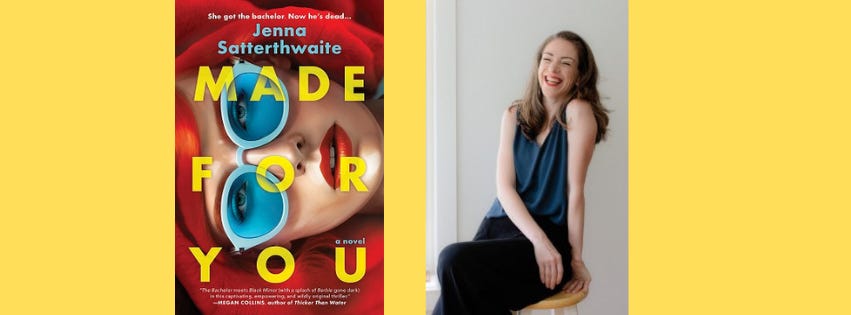
I’m pleased to invite you to my next Well Published, Live! with Jenna Satterthwaite . We’ll be chatting about her life and work as both author and agent! Please RSVP and tune in live using this link:
Saturday, April 11 at 10am PT [US time]
Paid Loreate Zoom Salon
All paid subscribers are welcome as we discuss the thorny issues bedeviling our collective writing life.Please RSVP in the chat, and note any topics you’d like us to discuss:
Voice Lessons
Our characters are us. Or, as Flaubert famously put it, “Madame Bovary, c’est moi!” But that does not mean they all speak and think in the same voice.
Years ago, after spending a few days in Taiwan, I realized my mind was dreaming in Mandarin. This is not to say that my dream self could understand Mandarin, but it had recorded the sounds of the language around me so that I could hear them inside my head. In similar fashion, we carry countless familiar voices in our subconscious. Voices of parents, siblings, neighbors, distant relatives, forgotten teachers, TV characters, movie idols, cartoon figures, commercial spokespeople, jingo singers, crooners, rock stars, not to mention fictional characters that made such a vivid impression that their voices leapt from the page straight into our skulls. Holden Caulfield, anyone?
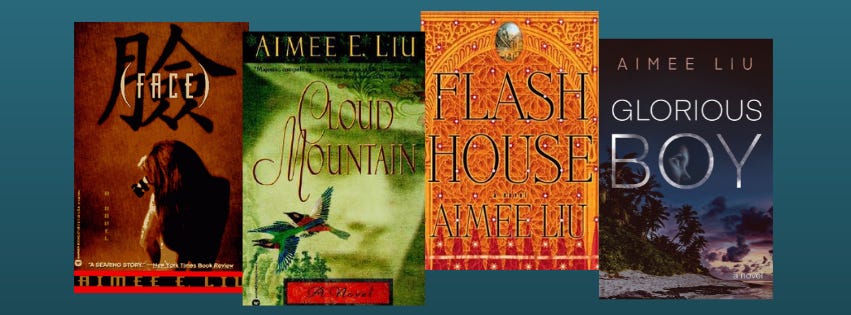
Our task as writers, then, is less creating the voices of our characters than echolocating them and bringing them up from the depths, that we might make them audible to others. To show you what I mean, I’m going to try something I’ve never done before. I’m going to revisit a few of the voices from my novels and try to trace their genesis, when they first spoke to me, where I think they came from, and how I represented them on the page.
One thing I will tell you about all these voices: they spoke to me well before I knew what their stories were about. The quotes are from novels that took me anywhere from four to seventeen years to complete, but most of these passages appeared in the very first drafts and remained close to their original form, right through final edits.
Test me, if you will, by reading each passage to see if you can hear the voice, picture the speaker or POV character, and gauge what their story’s about— before I unpack it for you.
