


Write down everything you DON’T know about your subject. Then chase that.
Hello Loreates,
I have a confession. It’s been months since I started a new work of creative writing. I can no longer blame the book I’m ghosting, as I delivered the final manuscript nearly a month ago, and I just completed correcting the typeset first pass (1P) pages. [If anyone’s interested in a post about the stages of book production, please let me know while it’s fresh in my memory!] My days are mostly my own again, but instead of starting something new, I default to reworking essays that don’t require me to face the blank page.
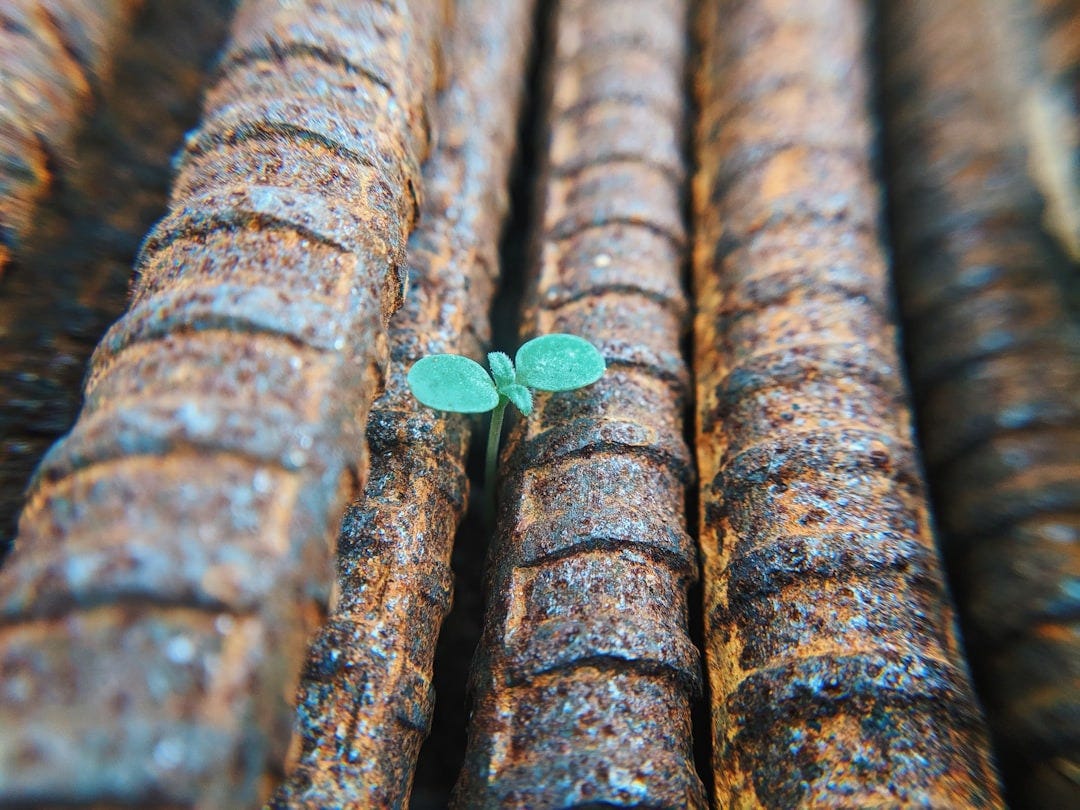
At the same time, I’ve promised to submit an essay about my relationship with my mother [why, suddenly, does it seem as if everyone I know is writing about their relationship with their mother?] for an upcoming anthology. That hard deadline blinks at me every time I approach my desk. I have ideas for the piece, of course, but kicking myself into gear requires something else. Trickery. Strategy. Fertilizer. Ignition. I’m mixing metaphors intentionally here, because that’s what it feels like to start something new. It’s like planting a seed. Like jump-starting a car. Like priming the pump. Like conjuring possibility out of nothing. There’s no one way to do this thing, no single process to trust.
And so, I find myself scouring my favorite sources for advice and inspiration. Some of which, I thought, might prove useful to you. Hence this post, in which I’ll share the launch strategies that I’m finding most helpful as I begin again.

Back to Beginning
I’m not great at beginning. I love creating prompts, but I rarely use them. And while I used to have dozens of story ideas clamoring for attention, the mental roar of inspiration has quieted way down as I’ve aged. The journal of story ideas that I began in 2018 sits mostly empty. Maybe that should sadden me, but it doesn’t, somehow. I’ve been a writer long enough to know that I’ll never run out of story material or issues worth probing. I feel confident about taking them as they come, and I have no “fear” of the blank page. It’s just that I much prefer mucking around in the middle of a piece or endlessly revising work once it’s got substance and some semblance of form.
Which all helps to explain why my least favorite zone of the writing life is the space between projects. After I finish one book and before I start another. Or, when I have a looming deadline for a project I’ve yet to begin. Working on a collection of essays helps somewhat, since the essays are all more or less continuously under construction. But I still have a few essays yet to begin, and the one with a hard deadline has me spinning in the between zone.
Synchronicity is at work in this zone. My proposed essay is about my strained relationship with my late mother. This seems to be the theme du jour. Gish Jen’s forthcoming memoir/novel Bad, Bad Girl struggles with her mother’s ghost. Lisa Rogak just posted about her trials writing about her mother and about Kate Zambreno’s in writing about hers. As did Laura Davis .
Maybe my problem has less to do with beginning again than beginning again with my mother, who died three years ago. Maybe, but I think it’s too early in the process to worry about that. Just as it’s too early in the process to worry what shape this essay will take, what its tone will be, or where it will land.
It’s so, so easy and dangerous to get ahead of yourself when starting a new piece. You think you can “see” the whole thing. You believe you’ve figured it all out and have a definitive message. You’re already writing the submission letter before you’ve written Line One. I’ve done it. Often. We all have.
But I’m too old to get ahead of myself now. I know from experience that haste will only slow me down.
Compilation vs. Composition
The mistake I’ve made far too often is to start composing before I’ve compiled my raw material. I start “writing” instead of sketching, “plotting” instead of musing, “structuring” instead of experimenting, and “mapping” instead of exploring. In other words, I lock myself into the work instead of giving myself the freedom to discover it.
That freedom is the first casualty of haste. That freedom is also the key to success in the final manuscript. So, especially when beginning a new project on a subject as complicated as a parent, the challenge is all about unblocking and tapping into your freedom to probe and play, question and expose, and to re-imagine your own relationship with your subject. Like visual artists, writers need to feel free to sketch ideas and toss them away, to try out different textures and tones, to fool around with different frames and combinations of elements. To scrub the canvas and start over, knowing that the pentimenti of earlier efforts will always glimmer through.
