

The Magic, Menace, and Meaning of Metaphor as Literary Code
Figurative references can add -- or detract-- from your intended message


“The greatest thing by far is to have a command of metaphor. This alone cannot be imparted by another; it is the mark of genius, for to make good metaphors implies an eye for resemblances.”
― Aristotle, Poetics
Celebrate MFA Lore’s 3rd Anniversary by subscribing now for 30% off!
Hello Loreates,
We’re done with our Robert McKee story review, at least for now. I hope the last 3 MFA Core posts have been useful. If you’d like me to unpack any more of McKee’s arcane rules, please let me know. But today, I’m going to dive back into a topic that was brewing before I got sidetracked, though like McKee’s rules, it’s sourced from Aristotle.
What does it mean to “command metaphor”? Why is this command a “mark of genius”? And perhaps even more importantly, if “good metaphors” are so great, what harm can bad ones do?
I’ll try to sort out the answers to these questions, along with some do’s and don’ts to help you maximize your metaphors, below.
Write on!
Aimee
Save the Date!
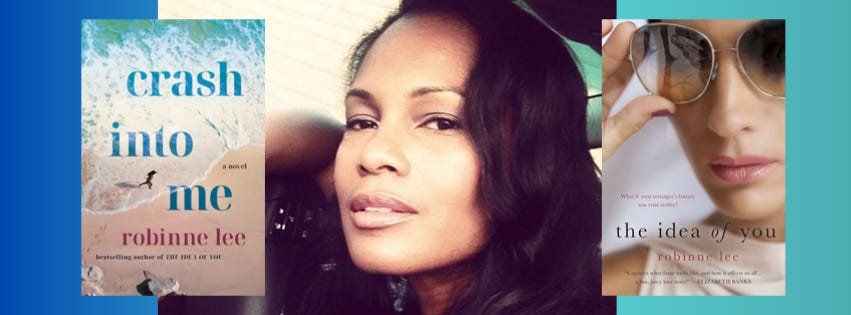
Tuesday, June 30 at 10am PT/ 1pm ET
Well Published, Live! with Blockbuster Novelist Robinne Lee
Tune in Live for my chat with Robinne about her extraordinary journey to bestsellerdom with her “sleeper hit” The Idea of You and her arresting new novel Crash Into Me, which ignites at the intersection of race, eroticism, beauty, wealth, and celebrity. “As glittery and sensuous as Tinsel Town itself," says TIME.
Master Metaphor as Literary Code
“The greatest thing by far is to have a command of metaphor. This alone cannot be imparted by another; it is the mark of genius, for to make good metaphors implies an eye for resemblances.”
― Aristotle, Poetics
What is a metaphor? According to Aristotle, “Metaphor consists in giving the thing a name that belongs to something else.” In other words, metaphor is a system of codes, in which objects, ideas, and emotions are represented on the page by related but substantially different objects, ideas, or emotions. I’m using the term “metaphor” loosely, as did Aristotle, to include both metaphors, which are direct stand-ins for the literal thing, and similes, which are likened to the literal thing. Other forms of figurative language, like personification, idiom, and allusion, belong to this system, too.
Usually, metaphoric symbols are figurative, rather than abstract; they have concrete form, shape, color, or other sensory qualities that can be seen or touched. Why figurative? Because humans find it easier to relate to and remember experiences felt through the senses, rather than purely intellectual information. Also, sensory information adds dimension to ideas, broadening their implications and deepening their meaning.
Historically, metaphoric codes have been used to create secret languages that allow sensitive political information to hide in plain sight within literature. Classical Chinese scholars like my grandfather knew that a poem containing imagery of ancient ruins by a river in which a stork stood among small birds was meant to be understood as a message about the passage of time eroding a fallen leader’s glorious legacy. During periods of political tumult and fascism, symbolic poetry has often served as a tool for organizing and evading autocratic censorship. The ability to decode classical poetry turned many scholars, including my grandfather, into revolutionaries.
Whether or not this subversive aspect of metaphor applies (or appeals) to you, the concept of metaphor as code is essential to understanding the magic, menace, and intricacies of figurative language. Every metaphor contains associations that can multiply the meanings of your story. That power can be wielded expertly like a magic wand, but if used carelessly it can confuse readers in ways that undermine your story. If you don’t command the code, you are likely to send weak or misleading signals. So let’s unpack this system.
