

What Now??? On Revising, Hiring an Editor, Launching an Author Platform, and Bugging Agents
Answers to your questions from MFA Lore's Write On! Roundup #1

If and when your manuscript has been vetted and is absolutely as good as you can possibly make it, that’s the time to consider hiring an editor who can assess the whole book with a cold professional gaze.
Hello Loreates,
Today is No Kings Day 3! I suspect you’re preoccupied with protesting the American Dictatorship (if you need to know more about that, go HERE). So instead of writing a new post that might get overlooked in the busyness of this weekend, I thought I’d pull a good evergreen out from behind the paywall.
Three years ago, when I was getting MFA Lore started, I offered a series of Write On! Roundups for paid subscribers. I invited craft and publishing questions and responded from my own experience as author and MFA advisor. The Roundup I’m sharing today focuses on the age-old question that every writer asks when they feel like they’ve finally finished a piece of writing: What Now?
Answers below!
As MFA Lore evolved, I replaced these Roundups with bimonthly Zoom gatherings for paid subscribers, where I can answer questions in person. But I’d be happy to revisit this written Q/A format, if that appeals to you. If you’d like that, or if you just have one burning question about writing or publishing that you’d like me to address in a future post, please let me know!
For now, act up, speak out, and write on!
Aimee
Special offer!
Powerful writing is a form of resistance. That’s why I’m offering a year of MFA Lore paid subscriber benefits for just $30. Become a stronger writer and use your words to save the world:

What Now?*
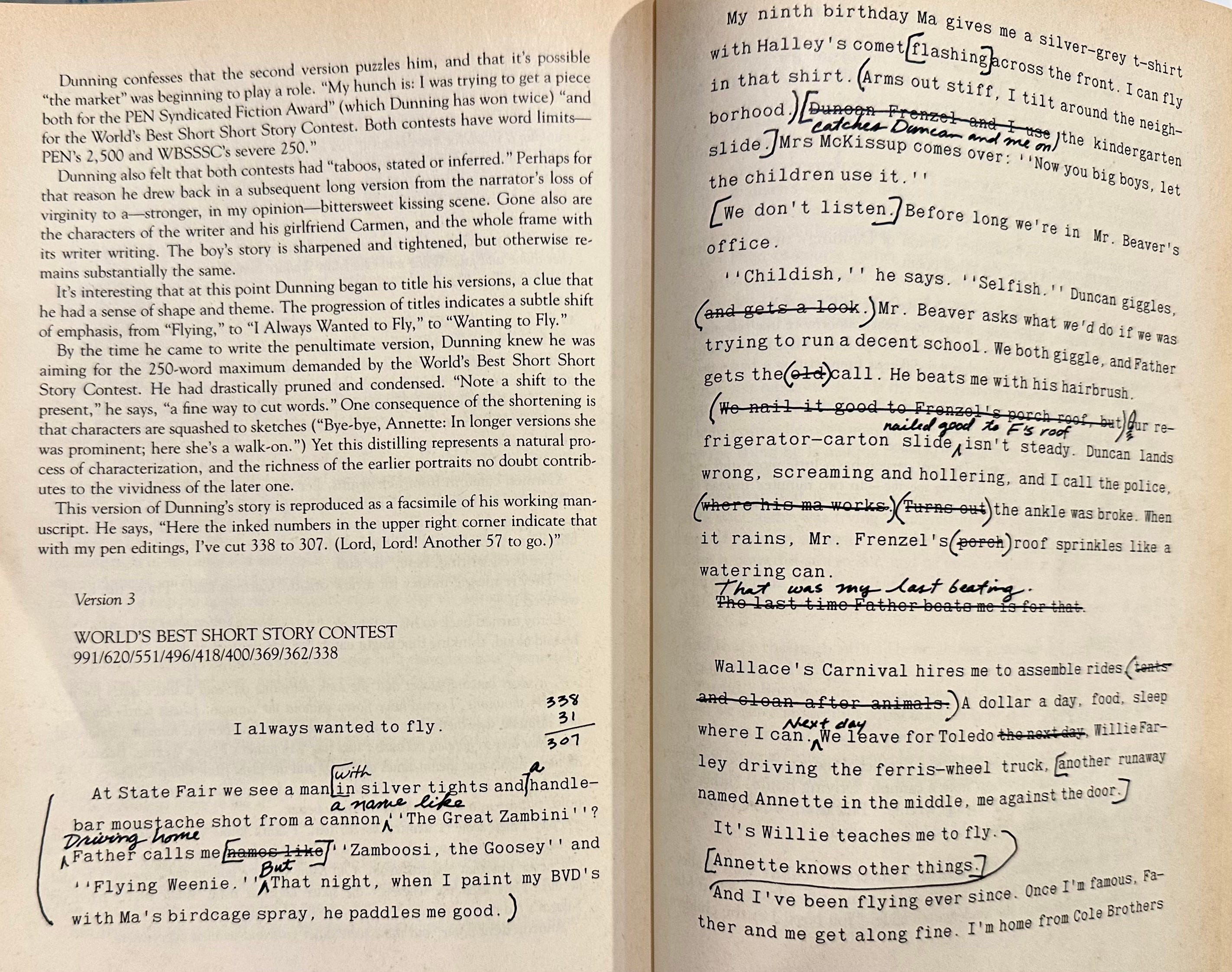
1. Can you give an example of some of your original writing, and then parse how you rewrote it to show your creative editing rewrite process?
This is a great question, but I’ll defer to the master craftsman Janet Burroway for the answer. Her book Writing Fiction provides detailed examples of the revision process that will be useful to fiction and nonfiction writers alike:
Here are some critical questions to ask yourself as you revise:
What is my story about, at its deepest level?
Are there irrelevant scenes/sections/details?
Does it MOVE— both in terms of pacing and change and in terms of moving the reader emotionally?
Why should the reader turn the page?
Is it original?
Is it clear?
Is it too self-conscious— or not self-conscious enough?
How is the proportion between scene and exposition, plot and subplot?
Where is it underdeveloped?
Where is it too general or generic?
The brutal thing about revision is that you need to interrogate every single line with these questions many times over, BUT remember that these are questions for revision only. If you’re still working on your first draft, the Big Boss is your subconscious. Early on, let your instincts run free and save the second-guessing for later!
2. Would working with a professional editor be the right way to go for a debut author who has limited financial resources?
The answer here depends on a) your publishing aspirations, and b) the stage of your writing. Every writer dreams of getting a big publishing deal, but not every writer is willing or able to put in the time, focus, and honest effort to raise their work to that level of readiness. Before hiring a professional editor, I suggest joining a serious writing class or connecting with a serious writing group or partner whose judgment you trust and who is able to offer objective and constructive criticism (probably not your mother or spouse). [If you don’t already have a high-level group, see my note below about our Take 5 community.]
If and when your manuscript has been vetted and is absolutely as good as you can possibly make it, that’s the time to consider hiring an editor who can assess the whole book with a cold professional gaze. Why? Because, if you’re aiming for a deal with a major publisher, you’ll need to snare an agent first, and agents these days are only interested in manuscripts that are polished and ready to go. This is especially true for fiction and memoirs. Journalists and research nonfiction writers have more leeway, since the sale will depend more on the author’s expertise and subject matter than the prose quality.
Rather than thinking of this financial expense as an investment in one particular book, try to view it as an investment in your education as a writer — both in terms of revising your craft and navigating the publishing industry.
Editors can be expensive, so it’s imperative that you shop carefully to find someone with serious bona fides in your genre. The good news (for writers) is that many top editors have been laid off in recent years, so there are plenty available for hire. The bad news is that they can charge anywhere from $100/hour to thousands of dollars per project.
The Independent Editors Group is one source of editors with the kind of experience you’ll want if you’re a serious writer. Note the bios on this site, which detail what houses the editors have worked at and what books they’ve edited. Do not sign on to work with any editor based purely on a vague “20 years of experience.” Make sure you know what that experience is and whether it qualifies this editor to be right for your project. Find out what exactly they can do for you, and make sure they agree to the service that you need. For instance, if you only want help with general structure, make sure that’s understood, so the editor doesn’t charge you for much more time-consuming and expensive line edits. Establish your budget and fee limits up front, so there’s no misunderstanding.
Do remember, though, that editing comes with no guarantees. When you pay an editor, they will give you their best advice for making your work stronger. They might give you their honest opinion about its marketability, and they might even refer you to an agent or publisher who might be interested. But that’s as far as their influence goes. Rather than thinking of this financial expense as an investment in one particular book, try to view it as an investment in your education as a writer — both in terms of revising your craft and navigating the publishing industry.
A low-price first step:
If you don’t yet have a great writing group and you’re not sure whether your work is ready for the heavy investment of a full editorial review, consider becoming a member of our own Take 5 MFA Lore community. This will entitle you to the same level of writing mentorship that I gave advisees over my 15 years on Goddard’s MFA faculty. Benefits of a Premium Subscription to MFA Lore include:
My written feedback on both your query and up to 5 pages (1250 words) of creative work, plus an optional follow-up phone call. Your “Take 5 Packet Letter” will highlight both the Strengths and the Opportunities in your work, helping you determine whether it’s time to “press send” to agents/editors or to reorient your revision.
My monthly zoom writing workshops, just for Premium Take 5 Loreates.
Full access to paid posts and MFA Lore archives, and all other benefits of a paid subscription.
Subscribe to MFA Lore at the Premium level or upgrade to join. Details HERE.
3. Will an agent or publisher consider an author who is working on, but does not yet have a strong platform of readers to guarantee sales of books.
Platforms help. There’s no doubt about that, especially for nonfiction and commercial fiction. Famous experts, celebrities, and influencers with gazillions of fans can get book contracts even if they can’t spell their own name. I know, because I’ve ghostwritten many of their books.
If you don’t have a big following, agents and editors will want to know you’re capable of building a brand. But remember that you’ll have 1-2 years to work on this after selling your book —the publishing process takes that long. So make the most of the platform you have now, but don’t worry about ramping it up before you finish your book.
While writing, the most important place to focus your attention, especially if you’re a literary writer, is on the quality of your book. If your prose wows the powers that be, they’ll help you build your brand. If they don’t love your work, the relative strength of your platform won’t matter.
4. If a publisher or agent liked the author’s writing, but had concerns about selling the book, is it OK to contact them again two years later when the book has taken a new form that may be more marketable?
Agents and editors will generally make it clear in their rejection letters whether they’d like to hear from you again. If you receive a personal and encouraging rejection that invites you to show them future versions, you definitely should get back to them when — and only when — the book is significantly changed and vetted by your most discerning readers or hired editor. But remember that the second time must be the charm, because you won’t get a third. If you’ve merely tinkered with the original book, do NOT submit it again!
Some agents and editors will generously offer notes on manuscripts that they have no interest in. They might do this as a courtesy to the submitting agent or because they have some connection to the author. But if they don’t express a desire to see the project again, you can take it as a hard pass, despite the kind words.
This all may sound harsh, but try to remember how many thousands of queries and manuscripts come at agents and editors every month. They all want to fall in love with the next Great Book, but they see so much unlovable writing that they tend to skim fast. It’s your job as the author to submit work so profound, original, and arresting that it GRABS the agent’s attention and forces them to slow down to savor your words. They figure, if you can grab them, you can grab your readers. And everyone will be happy!
Save these Dates!
Friday, April 3 at 11 am PT
Well Published: Author+Agent Jenna Satterthwaite
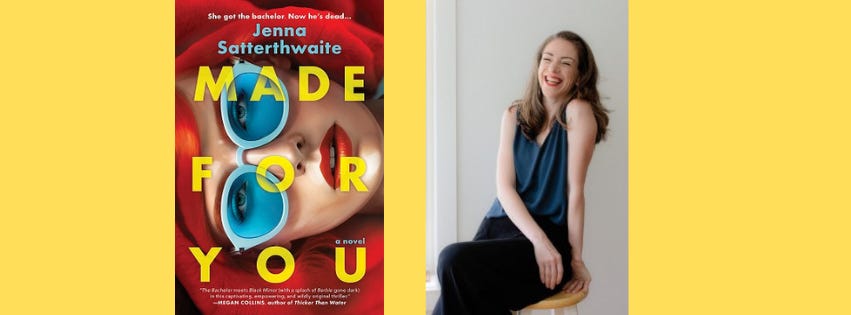
I’m pleased to invite you to my next Well Published, Live! with Jenna Satterthwaite . We’ll be chatting about her life and work as both author and agent! Please RSVP and tune in live using this link:
Saturday, April 11, 2026, at 10am PT/ 1pm ET
Loreate Zoom Salon for Paid Subscribers
All paid subscribers are welcome as we discuss the thorny issues bedeviling our collective writing life. Consider this online space your Loreate Salon.Please RSVP in the chat using this link: