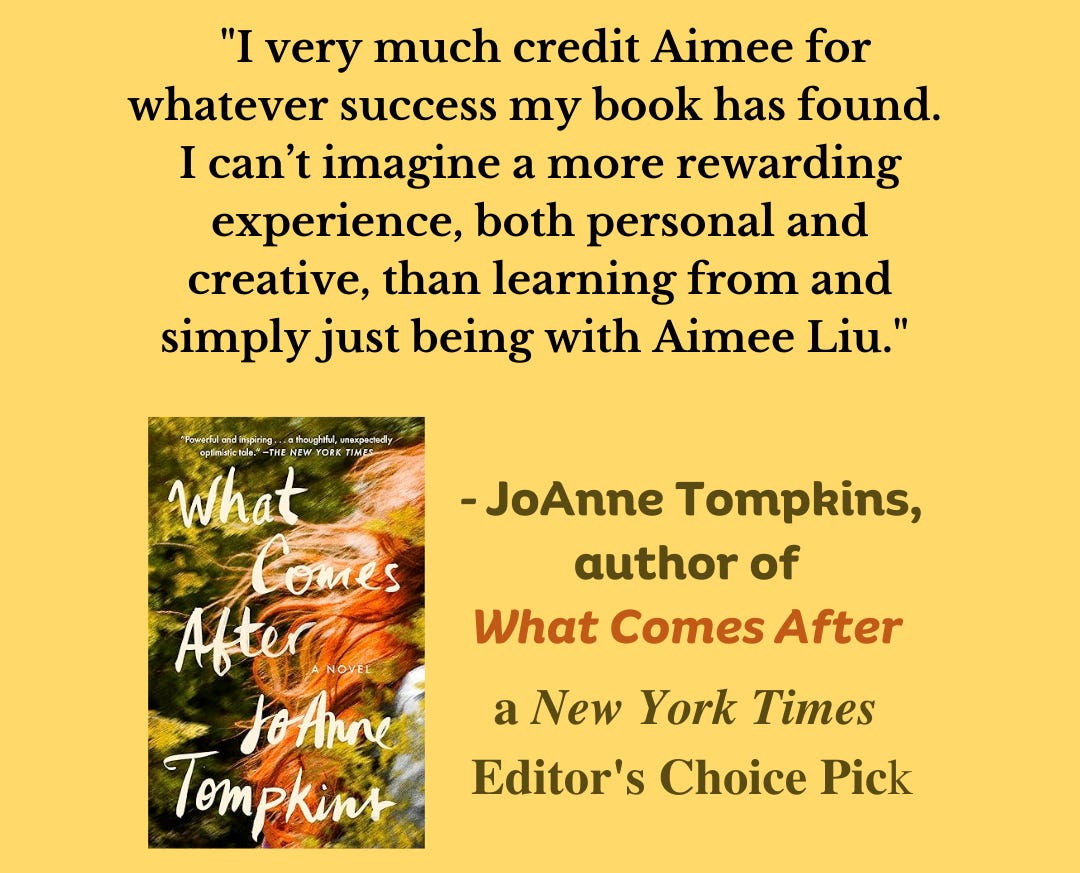
“I had an easier time getting published via contest than I had trying to go the traditional publishing route.” — Toni Ann Johnson
Happy Valentine’s Day, Loreates,
I want to open with a huge thank you to Toni Ann Johnson for this conversation, which is an absolute goldmine of intel, insight, and encouragement for literary writers. Thanks also to mary g., Sheri Handel, Snigdha Roy, Lily Chien-Davis, Homi Hormasji, Sven Birkerts , Anna Sproul-Latimer and others who tuned in live!
My life is a little discombobulated by the birth of my first grandchild last weekend, so I’m posting this video in lieu of an essay today. But it is well worth your time.
Our topic is GETTING WELL PUBLISHED VIA CONTESTS… because Toni Ann Johnson has won THREE writing contests that led to publications of her books.
She won the 2024 Screen Door Press Prize for Fiction with her just-published story collection, BUT WHERE’S HOME? ( University Press of Kentucky, 2026). In 2021, she won the Flannery O’Connor Award for her linked short story collection LIGHT SKIN GONE TO WASTE (Univ. of Georgia Press, 2022)-- edited by Roxane Gay! That collection was shortlisted for an NAACP Image Award for Outstanding Literary Work, and also shortlisted for the Saroyan Prize. A novella, HOMEGOING, won Accents Publishing’s inaugural novella contest in 2020 and was released in May of 2021.
Toni Ann is also a screenwriter with a number of produced projects, including, Ruby Bridges (ABC) and Crown Heights (Showtime).
Scroll down for key takeaways from our conversation.
This discussion offers a cornucopia of inspiration and advice, especially for writers of short fiction and essays who submit to literary magazines. We also dove into the highly charged content of Toni Ann’s books, which confronts racism in suburbia and the telling of family secrets.
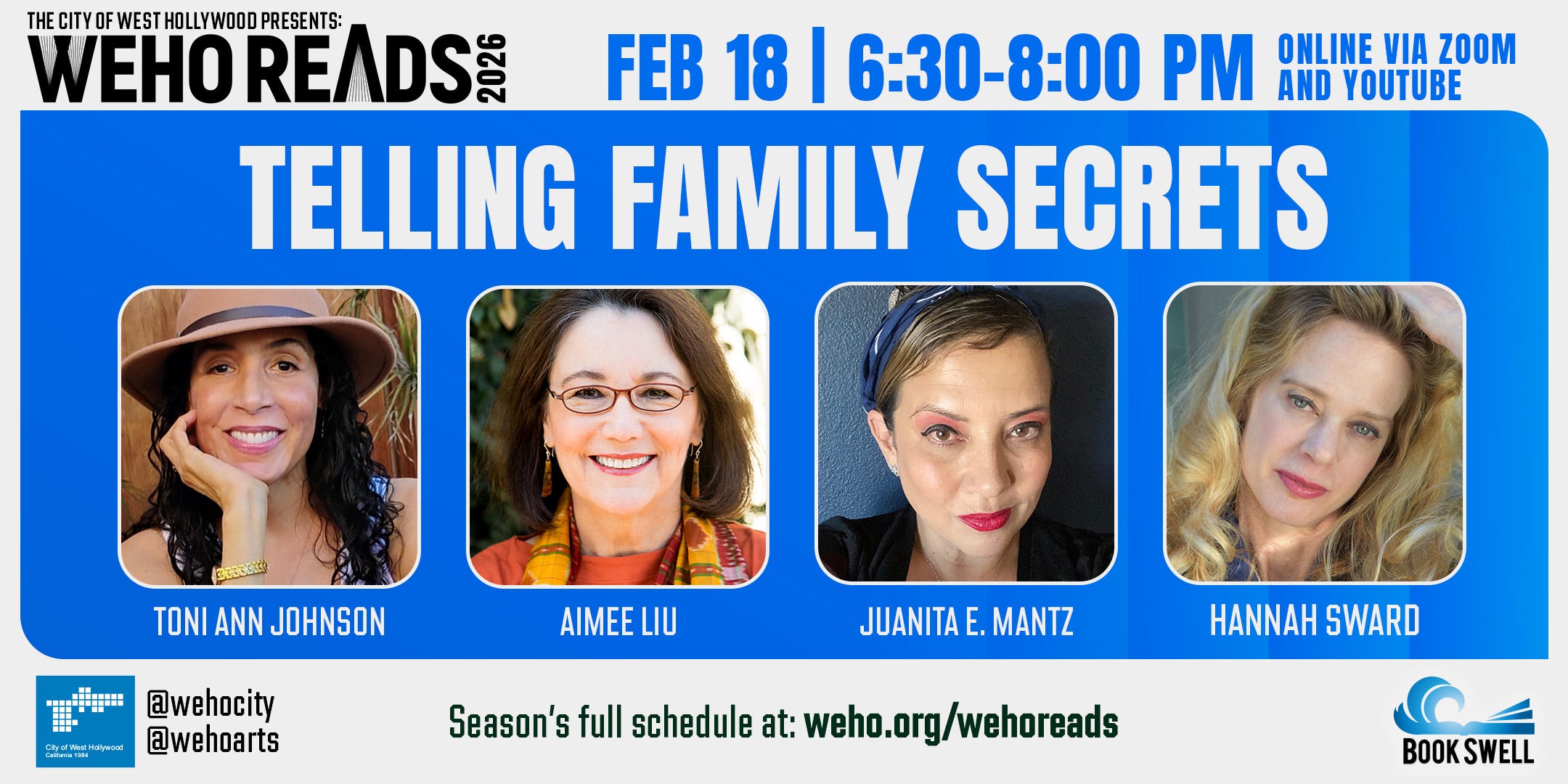
Speaking of which, you are invited to join Toni Ann and me again online Wednesday, Feb. 18, at 6:30p PT. We’ll be focusing exclusively on family secrets, along with Hannah Sward and juanita e. mantz .

Paid Loreates, join us TODAY!!!
Saturday, February 14, 2026, at 10am PT/ 1pm ET
Loreate Zoom for Paid Subscribers
All paid subscribers are welcome for this Valentine’s Day special as we discuss the role of LOVE in our writing life. To receive your link, please RSVP below, and include your email address:
Takeaways from Well Published via Contests, with Toni Ann Johnson
"Don't give up just because it doesn't place or win. And definitely if you if you do become a finalist in one contest or another contest, don't give up. Keep submitting that because if you became a finalist, that meant that your story did grab the attention of some judge and it will grab somebody else's attention. Keep your belief in it." — Toni Ann Johnson
Using Contests as a Pathway to Book Publication
Contest Success Over Traditional Publishing Toni Ann found contests easier than traditional publishing. After her agent submitted a 500-page manuscript to 26 Big Five editors (all passed), and the agent asked for revisions through an assistant after five years of collaboration, Toni Ann decided to take control of her own publishing path through contests.
"I submit to every single contest and I get rejected by tons of them. But I submit widely."
Strategic Manuscript Adaptation When she saw the Flannery O’Connor Award had a word limit, she cut her manuscript in half, returning to her original vision of linked stories rather than the novel format her agent had preferred. This strategic downsizing and refocusing on one character’s trajectory (Maddie) led to her winning the contest.
“I saw the call for the Flannery O’Connor Award. And I looked at that and the word count limit was 75,000 words. And my book was nearly 150,000 words. And so I chopped the book in half.”
Building on Contest Success Her three contest wins came sequentially: Accent Publishing’s inaugural novella contest (Homegoing, 2020), the Flannery O’Connor Award (Light Skin Gone to Waste, edited by Roxane Gay, 2021), and the Screen Door Press Prize (But Where’s Home?, 2024). Each publication came from material originally part of the same 500-page manuscript.
“If this is the career you want, there are lots of things you can spend money on. I think submitting your work is not a bad investment. It's certainly a business expense, too."
Persistence Through Rejection Toni Ann submitted to multiple contests without placing before her wins. She entered But Where’s Home? in many contests while tinkering with the manuscript until it finally won Screen Door Press in 2024.
"I have to give a shout out right now then to Women Who Submit, because that's the organization that taught me, submit a lot. Don't just submit one time, and then if your dream doesn't come true, you stick that story in a drawer. Submit a lot. So submit to every contest."
The Role of Previously Published Stories Many stories in her collections had been previously published in literary journals (including Fiction Magazine alongside Joyce Carol Oates), which likely strengthened the manuscripts’ credibility for contest judges.
“If you don’t have an agent submitting and you’re doing it yourself, you need to be your own agent. You need to be your own advocate and keep submitting.”
University Press Benefits Winning these contests connected her with quality university presses (University of Georgia Press, University Press of Kentucky), which provided professional editing, distribution, and prestige without requiring an agent.
Writing Literature About Race in Suburbia
The Setting as Character Monroe, New York serves as the central location for Toni Ann's collections. Unlike the typical narrative of Black families integrating white neighborhoods (working class families moving into higher class communities), her family's experience was different - her highly educated father (psychologist/psychoanalyst with two master's degrees) and her mother from Sugar Hill in Harlem (a debutante whose father was a post office supervisor) moved into a predominantly working-class white suburb.
"There were times when I wasn't allowed in the house going on a play date. Like I was not allowed to enter the house and we spent the entirety of our play date on the front lawn until my mother picked me up.
Class Inversion and Racial Assumptions Toni Ann's work explores the bizarre dynamics where she was automatically deemed "lower class" simply for being Black in the 1960s-70s, even though her family was more educated and cultured than many white neighbors. She describes white kids from the trailer park acting superior to her because of race, despite her family's professional status and her own worldliness (having lived in Ankara, traveled to Japan and West Africa).
“I was deemed lower class than everybody else because I was growing up in the 60s and the 70s. And that was just what everybody with the dominant culture thought, like Black people were a lower class."
Generational Trauma and Secrets Toni Ann’s work explores how racial shame and family secrets compound across generations. Her own mother hid her biracial heritage (her father was a Russian Jew, her mother a live-in maid) and refused to acknowledge her Jewish ancestry, maintaining she was simply Black despite being 50% Ashkenazi according to DNA testing.
“She will never say that she's mixed race. She just says she's black.”
The Cost of Assimilation and Passing The stories examine what gets lost when families hide their true origins to fit into suburban environments. Toni Ann’s mother’s deep shame about her background—being born out of wedlock, mixed-race, adopted after becoming a ward of the state—led to emotional unavailability and inauthenticity in parenting.
“I have always been interested in the dynamics of race and class, because in my experience, it was different from what you usually see.”
Writing as Truth-Telling Despite Family Resistance Toni Ann faced significant family fallout for revealing family secrets in her fiction. Her mother, who didn’t even share her true background with close friends, was deeply opposed to these stories being published.
Would you like an MFA-level response to your work?
Becoming a Premium Member of the MFA Lore community will entitle you to Aimee’s written feedback on your query and up to 5 pages (1250 words) of your creative work, plus a follow-up phone call. Your “Take 5 Packet Letter” will highlight both the Strengths and the Opportunities in your work, helping you determine whether it’s time to “press send” to agents or reorient your revision. In addition, Aimee now leads a monthly zoom workshop just for Premium Loreates. To join, subscribe or upgrade to Premium and claim your Take-5 Packet today!